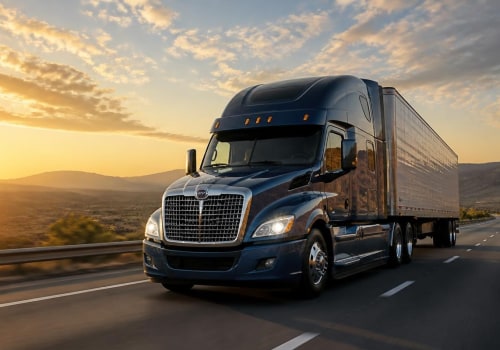
In today's fast-paced economy, trucking services play a pivotal role in ensuring the smooth flow of goods across vast distances. As the backbone of the logistics and supply chain sectors, these services facilitate the movement of everything from raw materials to finished products, making them indispensable to various industries. The trucking industry not only supports local businesses but also contributes significantly to the national economy, employing millions and generating substantial revenue.The importance of trucking extends beyond mere transportation; it encompasses reliability, efficiency, and adaptability. With the rise of e-commerce and consumer demand for rapid delivery, trucking services have evolved to meet these challenges head-on.
Companies are increasingly relying on advanced technologies and innovative practices to enhance their operations, ensuring that they can deliver goods on time while minimizing costs.As we delve deeper into the future of trucking services, it is essential to understand the trends that are shaping this dynamic industry. From the integration of autonomous vehicles to the adoption of sustainable practices, these developments are not only transforming how goods are transported but also redefining the very essence of logistics. By examining these trends, we can gain valuable insights into how trucking services will continue to adapt and thrive in an ever-changing economic landscape.
Technological Advancements in Trucking Services
The landscape of trucking services is undergoing a significant transformation, driven by rapid technological advancements. These innovations are not only enhancing operational efficiency but also redefining the way logistics and transportation are managed.Automation
is at the forefront of this evolution.With the introduction of autonomous vehicles, trucking companies are exploring ways to reduce labor costs and improve safety on the roads. Self-driving trucks equipped with advanced sensors and AI algorithms can navigate complex routes, minimizing human error and optimizing delivery times. As regulations evolve to accommodate these technologies, we can expect to see a gradual increase in their adoption.Another critical aspect of technology in trucking is the rise of digital logistics platforms. These platforms facilitate real-time tracking and management of shipments, allowing companies to streamline their operations.
By leveraging data analytics, businesses can gain insights into their supply chains, identify bottlenecks, and make informed decisions that enhance overall efficiency. For instance, predictive analytics can forecast demand fluctuations, enabling trucking services to adjust their capacity accordingly.Moreover, the integration of Internet of Things (IoT) devices in trucks provides valuable data on vehicle performance and driver behavior. This information can be used to implement maintenance schedules proactively, reducing downtime and extending the lifespan of fleet vehicles.In summary, the future of trucking services is being shaped by a blend of automation, digital logistics, and IoT technologies. As these trends continue to evolve, they promise to deliver unprecedented levels of efficiency and reliability in the transportation sector.
Sustainability Trends in Trucking Services
The trucking industry is undergoing a significant transformation as sustainability becomes a central focus.With increasing awareness of environmental issues, sustainable trucking practices are gaining traction, driven by both regulatory pressures and consumer demand for eco-friendly logistics.One of the most notable trends is the adoption of electric vehicles (EVs). Major trucking companies are investing in electric fleets to reduce their carbon footprint. These vehicles not only lower greenhouse gas emissions but also offer long-term cost savings through reduced fuel expenses and maintenance costs. As battery technology continues to improve, the range and efficiency of electric trucks are expected to enhance, making them a viable option for long-haul transportation.In addition to electrification, many companies are exploring alternative fuels such as hydrogen and biodiesel.
These fuels can significantly decrease emissions compared to traditional diesel, aligning with global efforts to combat climate change. The shift towards these alternatives is supported by advancements in fuel infrastructure and government incentives aimed at promoting cleaner energy sources.Moreover, green transportation practices extend beyond vehicle technology. Logistics companies are increasingly optimizing their routes using advanced software that minimizes fuel consumption and enhances delivery efficiency. This not only reduces operational costs but also contributes to lower emissions.Another critical aspect of sustainability in trucking services is the emphasis on supply chain transparency.
Consumers are becoming more conscious of the environmental impact of their purchases, prompting companies to disclose their sustainability practices. By adopting eco-friendly measures and communicating these efforts effectively, businesses can appeal to environmentally conscious consumers and build brand loyalty.In conclusion, the future of trucking services is being shaped by a strong commitment to sustainability. From electric vehicles to optimized logistics and transparent supply chains, these trends not only benefit the environment but also position companies favorably in a competitive market increasingly driven by eco-conscious values.
Regulatory Changes Impacting Trucking Services
As the trucking industry evolves, regulatory changes play a crucial role in shaping the future of trucking services. Recent developments in legislation and compliance requirements are designed to enhance safety, reduce environmental impact, and improve operational efficiency.One significant trend is the increasing emphasis on safety regulations.The Federal Motor Carrier Safety Administration (FMCSA) has introduced stricter guidelines regarding driver qualifications, vehicle maintenance, and hours of service. These regulations aim to minimize accidents and ensure that trucking companies prioritize safety in their operations.Another area of focus is the push for sustainability. With growing concerns about climate change, regulatory bodies are implementing stricter emissions standards for heavy-duty trucks. This shift is prompting many trucking companies to invest in alternative fuel technologies, such as electric and hydrogen-powered vehicles, to comply with upcoming laws while also appealing to environmentally conscious consumers.Moreover, the rise of technology in trucking services has led to new compliance challenges.
The integration of electronic logging devices (ELDs) has become mandatory, requiring companies to adapt their operations to meet these technological standards. As technology continues to advance, stakeholders must stay informed about how these changes affect compliance in trucking.Looking ahead, it is essential for industry players to monitor proposed legislation that could further impact trucking laws. For instance, discussions around autonomous vehicles are gaining traction, which could lead to new regulations governing their use on public roads. Understanding these potential changes will be vital for companies aiming to remain competitive and compliant in a rapidly evolving landscape.In conclusion, staying abreast of trucking regulations is not just a matter of compliance; it is a strategic necessity for businesses looking to thrive in the future of trucking services.
By proactively adapting to these regulatory changes, companies can enhance their operational efficiency and ensure long-term success.
The Role of E-commerce in Shaping Trucking Services
The rise of e-commerce has significantly transformed the landscape of trucking services, particularly in the realm of last-mile delivery. As consumers increasingly turn to online shopping for convenience, the demand for efficient and timely delivery solutions has surged. This shift is compelling trucking companies to adapt their operations to meet new consumer expectations.One of the most notable impacts of e-commerce on trucking services is the emphasis on last-mile logistics. This final leg of the delivery process, which involves transporting goods from a distribution center to the end consumer, is often the most challenging and costly segment of the supply chain.To address these challenges, trucking companies are investing in technology and innovative strategies to enhance their last-mile delivery capabilities.
- Route Optimization: Advanced routing software helps trucking services minimize delivery times and reduce fuel consumption by identifying the most efficient paths.
- Real-Time Tracking: Providing customers with real-time tracking information enhances transparency and improves customer satisfaction, a crucial factor in e-commerce.
- Flexible Delivery Options: Offering various delivery windows and options, such as same-day or scheduled deliveries, caters to consumer preferences and increases competitiveness.
This not only aligns with consumer values but also helps companies comply with evolving regulations aimed at reducing environmental impact.In conclusion, the influence of e-commerce on trucking services is profound and multifaceted. As businesses strive to keep pace with changing consumer behaviors, adapting to these trends will be essential for success in the competitive landscape of logistics.
Challenges Facing the Future of Trucking Services
The trucking industry is currently navigating a complex landscape filled with numerous challenges that threaten its growth and efficiency. Understanding these challenges is essential for stakeholders aiming to adapt and thrive in this evolving sector.Driver Shortages
One of the most pressing issues facing trucking services today is the acute shortage of qualified drivers. According to industry reports, the U.S.is short tens of thousands of truck drivers, a situation exacerbated by an aging workforce and stringent regulations. This shortage not only hampers operational capacity but also leads to increased freight costs as companies compete for a limited pool of talent.
Supply Chain Issues
Another significant challenge is the ongoing supply chain disruptions that have been magnified by global events such as the COVID-19 pandemic. These disruptions have resulted in delays, increased shipping times, and higher costs for trucking services. Companies are struggling to maintain inventory levels while also managing fluctuating demand, which complicates logistics planning.Regulatory Compliance
The trucking industry is heavily regulated, and compliance with federal and state laws can be burdensome.New regulations regarding emissions, safety standards, and driver hours of service require constant adaptation from trucking companies. Failure to comply can result in hefty fines and operational shutdowns, further straining resources.
Technological Adaptation
While technology presents opportunities for efficiency, it also poses challenges. The rapid pace of technological advancement means that trucking companies must continually invest in new systems and training. From adopting electronic logging devices (ELDs) to integrating advanced route optimization software, the need for technological adaptation can strain budgets and resources.In conclusion, addressing these challenges—driver shortages, supply chain issues, regulatory compliance, and technological adaptation—is crucial for the future of trucking services.Stakeholders must develop strategic approaches to mitigate these obstacles and ensure sustainable growth in an increasingly competitive market.
Future Workforce Trends in Trucking Services
The trucking services industry is undergoing significant changes, particularly in its workforce dynamics. As the demand for freight transportation continues to rise, companies are adapting their recruitment strategies to attract a new generation of drivers.Driver Recruitment Trends
- Emphasis on Diversity: Companies are increasingly focusing on creating a diverse workforce. This includes targeting underrepresented groups and promoting inclusivity within the industry.
- Flexible Work Arrangements: To appeal to younger drivers, many trucking firms are offering more flexible schedules and home time options, making the profession more attractive.
- Enhanced Compensation Packages: Competitive salaries, bonuses, and benefits are becoming standard as companies strive to retain talent in a tight labor market.
Training in the Trucking Industry
As recruitment evolves, so does the approach to training new drivers. Effective training programs are crucial for ensuring safety and efficiency on the road.
- Technology Integration: Modern training programs now incorporate advanced technologies such as simulators and virtual reality, providing drivers with realistic scenarios to enhance their skills.
- Focus on Safety: With an increasing emphasis on safety regulations, training programs are prioritizing defensive driving techniques and compliance with federal guidelines.
- Continuous Education: Ongoing training opportunities are being offered to existing drivers to keep them updated on new technologies and regulations, fostering a culture of lifelong learning.
By adapting recruitment strategies and enhancing training programs, the industry can ensure it meets the growing demands while maintaining high standards of safety and efficiency.
Conclusion: The Future Landscape of Trucking Services
As we look towards the future of trucking services, it is clear that several key trends will significantly influence the industry. The integration of technology, sustainability initiatives, and evolving consumer demands are at the forefront of this transformation. One of the most notable trends is the increasing adoption of autonomous vehicles. As advancements in artificial intelligence and machine learning continue to progress, we can expect to see more self-driving trucks on the roads. This shift not only promises to enhance efficiency but also aims to address the ongoing driver shortage that has plagued the industry. Additionally, the push for sustainability is reshaping how trucking services operate.Companies are investing in electric and hybrid vehicles to reduce their carbon footprint and comply with stricter environmental regulations. This transition not only benefits the planet but also appeals to a growing base of environmentally conscious consumers. Moreover, the rise of e-commerce has led to an increased demand for last-mile delivery solutions. Trucking services are adapting by optimizing their logistics and supply chain processes to ensure faster and more reliable deliveries. This trend emphasizes the importance of flexibility and responsiveness in meeting customer expectations. In conclusion, the future landscape of trucking services will be shaped by these dynamic trends.
Companies that embrace technological advancements, prioritize sustainability, and adapt to changing consumer behaviors will be well-positioned to thrive in this evolving market. As we move forward, staying informed about these developments will be crucial for stakeholders across the industry.