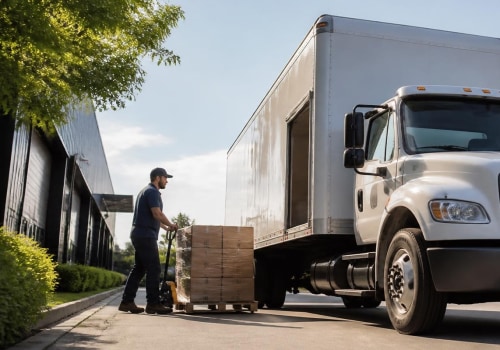
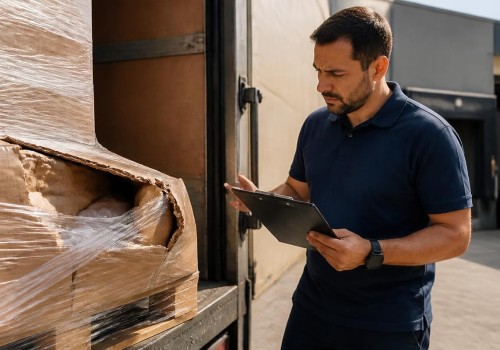
In today's industrial landscape, the transportation of hazardous materials is a critical concern that requires specialized knowledge and equipment.
Trucking services
tailored for hazardous materials are not just a niche market; they are essential for ensuring safety and compliance with stringent regulations. These services cater to a wide range of industries, including chemicals, pharmaceuticals, and waste management, where the safe transport of dangerous goods is paramount. The complexity of transporting hazardous materials lies in the unique challenges they present. From flammable liquids to toxic substances, each type of hazardous material has specific handling and transportation requirements.This is where specialized trucking services come into play. They employ trained personnel who understand the intricacies of hazardous materials trucking, ensuring that every shipment adheres to federal and state regulations while minimizing risks to public safety and the environment. Moreover, these specialized services utilize advanced technology and equipment designed to handle hazardous loads safely. This includes vehicles equipped with spill containment systems, GPS tracking for real-time monitoring, and emergency response plans in case of unforeseen incidents. As industries continue to evolve and regulations become more stringent, the demand for reliable trucking services that can safely transport hazardous materials will only increase, making it a vital area of focus for logistics providers.
What Are Hazardous Materials?
Understanding hazardous materials is essential for recognizing the need for specialized trucking services.Hazardous materials are substances that pose a risk to health, safety, property, or the environment. These materials can be found in various industries, including manufacturing, agriculture, and healthcare.
Definition of Hazardous Materials
According to the U.S. Department of Transportation (DOT), hazardous materials are defined as any item or agent that can potentially cause harm during transportation. This includes a wide range of substances that can be explosive, flammable, corrosive, or toxic.Types of Hazardous Materials
- Explosives: Materials that can detonate or explode under certain conditions.
- Flammable Liquids: Substances that can easily ignite and catch fire.
- Toxic Substances: Chemicals that can cause harm to human health or the environment upon exposure.
- Corrosives: Materials that can damage living tissue or severely corrode materials.
- Radioactive Materials: Substances that emit radiation and can pose serious health risks.
Hazardous Materials Classification
The classification of hazardous materials is crucial for ensuring safe handling and transportation.The DOT categorizes these materials into nine classes:
- Class 1: Explosives
- Class 2: Gases (flammable, non-flammable, and toxic)
- Class 3: Flammable liquids
- Class 4: Flammable solids
- Class 5: Oxidizers and organic peroxides
- Class 6: Toxic and infectious substances
- Class 7: Radioactive materials
- Class 8: Corrosive substances
- Class 9: Miscellaneous dangerous goods
The Importance of Specialized Trucking Services
When it comes to transporting hazardous materials, the significance of specialized trucking services cannot be overstated. These services are designed to meet the unique challenges posed by hazardous materials, ensuring that safety and compliance are prioritized throughout the transportation process.Safety
is the foremost concern when dealing with hazardous materials. Specialized trucking companies employ trained professionals who understand the risks associated with transporting such goods.These drivers are not only skilled in operating heavy vehicles but are also educated in handling emergencies that may arise during transit. This expertise minimizes the likelihood of accidents and ensures that hazardous materials are transported securely.Moreover, regulatory compliance is a critical aspect of specialized trucking services. The transportation of hazardous materials is governed by strict federal and state regulations, including the Department of Transportation (DOT) guidelines and the Hazardous Materials Transportation Act (HMTA). Specialized trucking companies are well-versed in these regulations, ensuring that all necessary permits and documentation are in place before transportation begins.
This compliance not only protects the company from legal repercussions but also enhances public safety.The benefits of utilizing specialized trucking services extend beyond safety and compliance. These services often include:
- Customized Equipment: Specialized trucks equipped with safety features such as spill containment systems and temperature control.
- Real-Time Tracking: Advanced tracking systems that provide updates on the location and status of shipments, enhancing transparency.
- Emergency Response Plans: Established protocols for dealing with spills or accidents, ensuring swift action to mitigate risks.
Types of Specialized Trucking Services for Hazardous Materials
When it comes to transporting hazardous materials, specialized trucking services are essential to ensure safety and compliance with regulations. Here are some of the primary types of specialized trucking services available for hazardous materials:- Tank Trucks: These vehicles are designed to carry liquids, gases, or powders that can be hazardous.
Tank trucks come in various sizes and configurations, allowing for the safe transport of substances like chemicals, fuels, and other dangerous goods.
- Flatbed Trucks: For larger items or containers that contain hazardous materials, flatbed trucks provide a versatile option. They allow for easy loading and unloading while ensuring that the cargo is securely fastened during transit.
- Reefer Trucks: Refrigerated trucks are crucial for transporting hazardous materials that require temperature control. This includes certain chemicals and biological substances that must be kept at specific temperatures to maintain their integrity.
- Box Trucks: Enclosed box trucks offer protection from environmental factors and are often used for transporting smaller quantities of hazardous materials. They provide a secure environment to minimize the risk of spills or leaks.
- Compliance Management: Many trucking companies offer services that ensure all shipments meet federal and state regulations regarding hazardous materials transport.
- Emergency Response Services: Some trucking services provide emergency response teams trained to handle spills or accidents involving hazardous materials, ensuring quick and effective action.
Each type of specialized trucking service plays a vital role in maintaining safety and compliance in the transportation of dangerous goods.
Regulations Governing Hazardous Materials Transportation
The transportation of hazardous materials is governed by a complex framework of regulations designed to ensure safety and environmental protection. These regulations are primarily enforced by the Department of Transportation (DOT) and the Environmental Protection Agency (EPA), which set forth stringent guidelines that specialized trucking services must follow.One of the key components of hazardous materials transportation regulations is the Hazardous Materials Transportation Act (HMTA). This act mandates that all carriers transporting hazardous materials must be registered and comply with specific safety standards. The DOT's Pipeline and Hazardous Materials Safety Administration (PHMSA) oversees these regulations, ensuring that trucking companies adhere to the necessary protocols.- Classification of Materials: Hazardous materials are classified into different categories based on their properties, such as flammability, toxicity, and reactivity.
Each category has specific handling and transportation requirements.
- Packaging Requirements: The DOT outlines strict packaging guidelines to prevent leaks and spills during transit. This includes using approved containers and labeling them appropriately.
- Driver Training: Trucking services must ensure that their drivers receive specialized training in handling hazardous materials. This training covers emergency response procedures, safe loading and unloading practices, and regulatory compliance.
Trucking services must comply with both DOT and EPA regulations to operate legally.In summary, specialized trucking services for hazardous materials must navigate a labyrinth of regulations set forth by the DOT and EPA. Compliance with these regulations not only ensures legal operation but also protects public safety and the environment.
Choosing the Right Specialized Trucking Service
When it comes to transporting hazardous materials, selecting the right specialized trucking service is crucial for ensuring safety and compliance with regulations. Here are some key factors to consider when making your choice:- Regulatory Compliance: Ensure that the trucking company adheres to all federal and state regulations regarding hazardous materials. This includes having the necessary permits and certifications.
- Experience and Expertise: Look for companies that specialize in transporting hazardous materials.
Their experience can significantly reduce risks associated with handling dangerous goods.
- Safety Record: Evaluate the safety history of potential trucking services. A strong safety record indicates a commitment to safe practices and can provide peace of mind.
- Equipment and Technology: Assess the type of vehicles and equipment used by the trucking service. Specialized vehicles equipped with safety features are essential for transporting hazardous materials.
- Insurance Coverage: Verify that the trucking company has adequate insurance coverage for hazardous materials. This protects both you and the carrier in case of an incident.
- Customer Reviews and References: Research customer feedback and ask for references.
Positive reviews from other businesses can indicate reliability and quality service.
- Request Quotes: Obtain detailed quotes from multiple companies to compare pricing, services offered, and any additional fees.
- Assess Communication: Evaluate how responsive and transparent the company is during your initial interactions. Good communication is vital for successful logistics.
- Visit Facilities: If possible, visit the company’s facilities to inspect their operations and ensure they meet your standards for safety and professionalism.
FAQs About Specialized Trucking Services for Hazardous Materials
When it comes to specialized trucking services for hazardous materials, many questions arise regarding safety, regulations, and operational procedures. Here are some frequently asked questions that can help clarify these concerns:- What types of hazardous materials require specialized trucking?
Hazardous materials can include chemicals, flammable liquids, explosives, and radioactive substances. Each type requires specific handling and transportation protocols to ensure safety. - Are there specific regulations governing hazardous materials trucking?
Yes, the transportation of hazardous materials is regulated by the Department of Transportation (DOT) and the Environmental Protection Agency (EPA).These regulations dictate how materials must be packaged, labeled, and transported.
- How do trucking companies ensure safety during transport?
Trucking companies utilize trained personnel who are certified in handling hazardous materials. They also employ specialized vehicles equipped with safety features such as spill containment systems and GPS tracking. - What should I look for in a trucking service for hazardous materials?
When selecting a trucking service, consider their experience with hazardous materials, compliance with regulations, safety record, and the training of their drivers. - What happens in case of an accident involving hazardous materials?
In the event of an accident, immediate response protocols are activated. This includes notifying emergency services, containing spills, and following regulatory guidelines for cleanup and reporting.
Conclusion: The Future of Specialized Trucking Services for Hazardous Materials
In conclusion, the landscape of specialized trucking services for hazardous materials is evolving rapidly. As industries continue to grow and regulations become more stringent, the demand for safe and efficient transportation of hazardous materials is more critical than ever. Throughout this article, we explored the various aspects of trucking services tailored for hazardous materials, including compliance with federal regulations, the importance of specialized training for drivers, and the necessity of using appropriate vehicles equipped with safety features.These elements are not just regulatory requirements; they are essential for ensuring the safety of both the public and the environment. Looking ahead, several trends are likely to shape the future of specialized trucking services:
- Technological Advancements: The integration of technology such as GPS tracking, real-time monitoring systems, and automated reporting will enhance safety and efficiency in transporting hazardous materials.
- Sustainability Initiatives: As environmental concerns grow, trucking companies may increasingly adopt greener practices, including using alternative fuels and optimizing routes to reduce emissions.
- Enhanced Training Programs: With the complexity of regulations and safety protocols, ongoing training for drivers will become even more crucial to ensure compliance and safety.