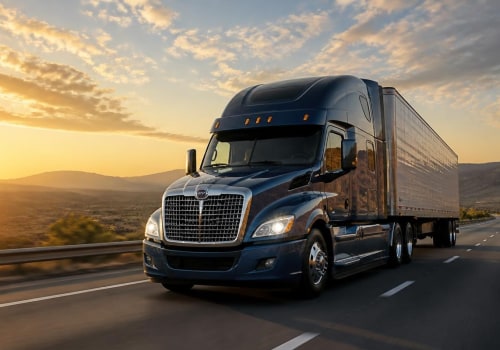
In today's fast-paced digital marketplace, e-commerce logistics has emerged as a critical component of successful retail operations. This term encompasses the entire process of managing the flow of goods from the point of origin to the final consumer, ensuring that products are delivered efficiently and effectively. As online shopping continues to grow, understanding the intricacies of logistics becomes essential for businesses aiming to meet customer expectations and maintain a competitive edge. At its core, logistics refers to the planning, implementation, and control of the movement and storage of goods, services, and related information throughout the supply chain. In the context of e-commerce, this involves not only transportation but also warehousing, inventory management, and order fulfillment.
The seamless integration of these elements is vital for delivering a positive customer experience, which can significantly influence brand loyalty and repeat purchases. The role of trucking services within this framework cannot be overstated. They serve as the backbone of e-commerce logistics by providing reliable transportation solutions that connect manufacturers, warehouses, and consumers. As businesses strive to optimize their supply chain management strategies, leveraging efficient trucking services becomes paramount in reducing delivery times and costs while enhancing overall operational efficiency.
The Importance of Trucking Services in E-Commerce
In the rapidly evolving world of e-commerce, trucking services play a pivotal role in ensuring that goods are delivered efficiently and effectively. As online shopping continues to grow, the demand for reliable logistics solutions has never been higher.Trucking services are at the forefront of this logistics revolution, acting as the backbone of supply chains.One of the primary reasons trucking services are essential in e-commerce logistics is their ability to facilitate fast delivery. With consumers increasingly expecting quick turnaround times, trucking companies have adapted their operations to meet these demands. They provide a range of delivery options, from same-day service to scheduled deliveries, ensuring that products reach customers promptly.Moreover, the flexibility offered by trucking services allows e-commerce businesses to scale their operations according to demand. During peak shopping seasons, such as holidays or sales events, trucking companies can adjust their fleets and routes to accommodate increased order volumes.
This adaptability not only enhances operational efficiency but also contributes significantly to customer satisfaction.Additionally, trucking services contribute to the overall cost-effectiveness of e-commerce logistics. By optimizing routes and utilizing advanced tracking technologies, these services help reduce transportation costs while maintaining high service levels. This efficiency translates into savings that can be passed on to consumers, making online shopping more appealing.In summary, the importance of trucking services in e-commerce logistics cannot be overstated. They are crucial for ensuring timely deliveries, enhancing customer satisfaction, and providing cost-effective solutions for businesses.
As e-commerce continues to expand, the role of trucking services will only become more significant in shaping the future of logistics transportation.
Types of Trucking Services Used in E-Commerce
In the realm of e-commerce logistics, trucking services are indispensable, providing various solutions tailored to meet the diverse needs of online retailers and their customers. Understanding the different types of trucking services is crucial for optimizing supply chain efficiency.Freight Transportation
Freight transportation is a core component of trucking services, encompassing the movement of goods over long distances. This service is vital for e-commerce businesses that need to transport large quantities of products from manufacturers or warehouses to distribution centers. Freight trucking can be categorized into:- Full Truckload (FTL): Ideal for large shipments that fill an entire truck, offering cost-effectiveness and direct routes.
- Less Than Truckload (LTL): Suitable for smaller shipments, allowing multiple shippers to share truck space, which reduces costs.
Last-Mile Delivery
The final leg of the shipping process, known as last-mile delivery, is critical in e-commerce logistics.This service focuses on delivering products directly to the consumer's doorstep. The importance of last-mile delivery lies in its impact on customer satisfaction and overall delivery speed. Key features include:
- Same-Day Delivery: Increasingly popular among consumers, this service requires efficient routing and real-time tracking.
- Contactless Delivery: A response to changing consumer preferences, ensuring safety while maintaining convenience.
Specialized Trucking Services
Some e-commerce businesses require specialized trucking services to handle unique products. These services include:- Refrigerated Trucking: Essential for transporting perishable goods like food and pharmaceuticals.
- Hazardous Materials Transport: Necessary for shipping dangerous goods safely and in compliance with regulations.
By leveraging these services, businesses can ensure timely deliveries, maintain product integrity, and ultimately improve customer satisfaction.
Challenges Faced by Trucking Services in E-Commerce Logistics
The landscape of e-commerce logistics is rapidly evolving, and trucking services are at the forefront of this transformation. However, they face a myriad of challenges that can hinder efficiency and effectiveness in delivering goods to consumers.Traffic Congestion
One of the most pressing issues for trucking services is traffic congestion, particularly in urban areas. As e-commerce continues to grow, the volume of delivery trucks on the road increases, leading to:- Longer delivery times: Trucks stuck in traffic can delay shipments, impacting customer satisfaction.
- Increased operational costs: Fuel consumption rises with idling and slow speeds, affecting profit margins.
Regulatory Issues
Another significant challenge is navigating the complex web of regulations that govern trucking operations. These regulations can vary widely by state and municipality, creating hurdles such as:- Compliance costs: Adhering to safety and environmental regulations often requires investment in new technologies and training.
- Permitting delays: Obtaining necessary permits for certain routes or types of cargo can slow down operations.
Rising Fuel Costs
The volatility of fuel prices poses a constant threat to the profitability of trucking services.Fluctuating fuel costs can lead to:
- Budge constraints: Companies may struggle to maintain competitive pricing while managing rising operational expenses.
- Increased freight rates: To offset costs, trucking companies may need to raise their rates, which could deter potential clients.
Technological Innovations Impacting Trucking Services
The landscape of trucking services is undergoing a significant transformation due to rapid advancements in technology. These innovations not only enhance operational efficiency but also improve the overall customer experience in e-commerce logistics.GPS Tracking and Real-Time Monitoring
One of the most impactful technologies in trucking services is GPS tracking. This technology allows logistics companies to monitor their fleets in real-time, providing valuable data on vehicle locations, estimated arrival times, and traffic conditions.With this information, businesses can keep customers informed about their shipments, leading to increased satisfaction and trust.
Route Optimization Software
Route optimization software is another critical advancement that enhances the efficiency of trucking operations. By analyzing various factors such as traffic patterns, weather conditions, and delivery windows, these systems can determine the most efficient routes for drivers. This not only reduces fuel consumption and operational costs but also minimizes delivery times, which is crucial for e-commerce businesses that thrive on speed.Automation and Autonomous Vehicles
The future of trucking services is also being shaped by automation and the development of autonomous vehicles. While fully autonomous trucks are still in the testing phase, many companies are already implementing automated systems for tasks such as load management and scheduling.These innovations can significantly reduce human error and increase safety on the roads.Moreover, as technology continues to evolve, we can expect further integration of artificial intelligence (AI) in logistics operations. AI can analyze vast amounts of data to predict demand trends, optimize inventory levels, and streamline supply chain processes.In conclusion, technological innovations are playing a pivotal role in transforming trucking services, making them more efficient, reliable, and responsive to the needs of e-commerce logistics. As these technologies continue to advance, they will undoubtedly shape the future of transportation and logistics.
The Future of Trucking Services in E-Commerce Logistics
The landscape of trucking services in e-commerce logistics is rapidly evolving, driven by technological advancements and changing consumer expectations. As we look to the future, several key trends are emerging that will shape the role of trucking services in this sector.- Increased Automation: The integration of automation in trucking services is set to revolutionize logistics.
From autonomous trucks to automated loading and unloading processes, these innovations promise to enhance efficiency and reduce operational costs.
- Data-Driven Decision Making: The use of big data analytics will enable trucking companies to optimize routes, manage fuel consumption, and predict maintenance needs. This data-centric approach will lead to more reliable delivery schedules and improved customer satisfaction.
- Sustainability Initiatives: As environmental concerns grow, trucking services are increasingly adopting sustainable practices. This includes the use of electric vehicles and alternative fuels, which not only reduce carbon footprints but also appeal to eco-conscious consumers.
- Last-Mile Delivery Innovations: The final leg of delivery is crucial in e-commerce logistics. Future trucking services will likely incorporate advanced technologies such as drones and robotics for last-mile deliveries, ensuring faster and more efficient service.
- Enhanced Supply Chain Collaboration: The future will see greater collaboration between trucking services and other logistics providers.
By sharing resources and information, companies can create a more integrated supply chain that responds swiftly to market demands.
FAQs About Trucking Services and E-Commerce Logistics
As e-commerce continues to grow, many businesses have questions about how trucking services fit into their logistics strategies. Here are some frequently asked questions that can help clarify the role of trucking in e-commerce logistics.What are trucking services?
Trucking services refer to the transportation of goods using trucks, which is a crucial component of supply chain logistics. These services can include local deliveries, long-haul transportation, and specialized freight services tailored to specific industries.How do trucking services impact delivery times?
The efficiency of trucking services directly affects delivery times in e-commerce.Fast and reliable trucking can significantly reduce the time it takes for products to reach customers, enhancing overall customer satisfaction. Many e-commerce businesses partner with trucking companies that offer expedited shipping options to meet consumer demand for quick deliveries.
What types of goods can be transported by trucking services?
- General freight: This includes a wide range of products such as clothing, electronics, and household items.
- Perishable goods: Trucks equipped with refrigeration can transport food items that require temperature control.
- Heavy machinery: Specialized trucks are used for transporting large and heavy equipment.
How do I choose the right trucking service for my e-commerce business?
Selecting the right trucking service involves considering several factors:- Reliability: Look for companies with a proven track record of on-time deliveries.
- Cost: Compare pricing structures to find a service that fits your budget without compromising quality.
- Coverage area: Ensure the trucking service can deliver to your target markets efficiently.
- Customer service: Choose a provider known for excellent customer support and communication.