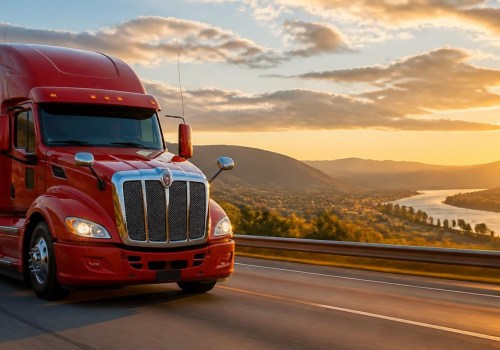
In today's fast-paced economy, trucking services play a pivotal role in the logistics and transportation sectors. They are the backbone of supply chains, facilitating the movement of goods across vast distances. From raw materials to finished products, trucking services ensure that businesses can operate efficiently and meet consumer demands. The trucking industry is not just a means of transportation; it is a vital component that supports economic growth and job creation. However, as we delve deeper into the significance of trucking services, it is essential to consider their environmental impacts.
The reliance on diesel-powered trucks contributes to greenhouse gas emissions, air pollution, and other ecological concerns. With the increasing demand for freight transport, understanding these impacts becomes crucial for developing sustainable practices within the industry. The challenge lies in balancing the economic benefits provided by trucking with the need to protect our environment. This article will explore the intricate relationship between trucking services and their environmental footprint. By examining the logistics involved and the industry's current practices, we aim to shed light on potential solutions that can mitigate negative effects while maintaining economic efficiency.
As we navigate through this discussion, it becomes clear that addressing these environmental challenges is not only beneficial for our planet but also essential for the long-term viability of the trucking industry itself.
Overview of Environmental Impacts of Trucking Services
The environmental impacts of trucking services are significant and multifaceted, primarily due to the reliance on fossil fuels and the sheer volume of goods transported across vast distances. As one of the primary modes of freight transportation, trucking contributes to various forms of pollution and environmental degradation.Trucking emissions
are a major concern, as heavy-duty trucks are responsible for a substantial portion of greenhouse gas emissions in the transportation sector. According to the Environmental Protection Agency (EPA), trucks account for nearly 24% of all transportation-related emissions in the United States. These emissions include carbon dioxide (CO2), nitrogen oxides (NOx), and particulate matter, all of which have detrimental effects on air quality and public health.- Carbon Dioxide (CO2): The primary greenhouse gas emitted by trucks, contributing to climate change.
- Nitrogen Oxides (NOx): These gases contribute to smog formation and respiratory problems.
- Particulate Matter: Tiny particles that can penetrate deep into the lungs, causing serious health issues.
The physical infrastructure required for trucking, such as roads and highways, often leads to habitat destruction and fragmentation. The construction and maintenance of these infrastructures can disrupt local ecosystems, affecting wildlife and plant species.Moreover, the noise pollution generated by heavy trucks can impact both human communities and wildlife. Prolonged exposure to high noise levels can lead to stress-related health issues in humans and disrupt animal behaviors, particularly in species sensitive to sound.In summary, while trucking services are essential for economic activity and supply chain efficiency, their environmental impacts cannot be overlooked. Addressing these challenges requires a concerted effort towards adopting cleaner technologies, improving fuel efficiency, and exploring alternative transportation methods that minimize ecological footprints.
Air Pollution and Greenhouse Gas Emissions
The trucking industry plays a significant role in the economy, but it also contributes substantially to air pollution and greenhouse gas emissions.As trucks transport goods across vast distances, they release various pollutants that can have detrimental effects on both human health and the environment.
Air Pollutants from Trucking
- Nitrogen oxides (NOx): These gases are primarily produced during fuel combustion in diesel engines. NOx contributes to the formation of ground-level ozone, which can lead to respiratory problems and other health issues.
- Particulate matter (PM): Trucks emit fine particles that can penetrate deep into the lungs, causing cardiovascular diseases and exacerbating asthma. PM is particularly concerning in urban areas where traffic congestion is prevalent.
- Volatile organic compounds (VOCs): These compounds can react with sunlight to form smog, impacting air quality and public health.
Greenhouse Gas Emissions
The trucking sector is a major contributor to greenhouse gas emissions, particularly carbon dioxide (CO2). According to the Environmental Protection Agency (EPA), heavy-duty trucks account for approximately 23% of all transportation-related CO2 emissions in the United States.
This significant carbon footprint is largely due to:
- The reliance on diesel fuel, which emits more CO2 compared to other fuels.
- The inefficiency of older truck models that lack modern emissions control technologies.
- The increasing demand for freight transport as e-commerce continues to grow, leading to more trucks on the road.
Impact on Noise Pollution
The impact of trucking services on noise pollution is a significant concern, particularly in urban and rural areas where heavy vehicle traffic is prevalent. The constant movement of trucks contributes to elevated noise levels, which can have detrimental effects on the quality of life for nearby residents.Truck noise
primarily originates from engine operations, tire friction, and aerodynamic drag. In densely populated areas, this noise can reach levels that disrupt daily activities and sleep patterns.Studies have shown that prolonged exposure to high noise levels can lead to various health issues, including:
- Increased stress levels: Continuous exposure to loud noises can elevate stress hormones, leading to anxiety and other mental health issues.
- Sleep disturbances: Noise pollution from trucking services can interfere with sleep quality, resulting in fatigue and decreased productivity.
- Cardiovascular problems: Research indicates a correlation between chronic noise exposure and increased risks of hypertension and heart disease.
Land Use and Habitat Disruption
The expansion of trucking services has significant implications for land use and natural habitats.As the demand for freight transportation increases, so does the need for extensive road networks and logistics facilities. This infrastructure development often leads to the conversion of natural landscapes into urbanized areas, which can severely disrupt local ecosystems.
Land use
changes associated with trucking services typically involve the clearing of forests, wetlands, and grasslands. These alterations not only reduce the area available for wildlife but also fragment habitats, making it difficult for species to migrate, find food, and reproduce. The construction of highways and distribution centers can create barriers that isolate animal populations, leading to decreased genetic diversity and increased vulnerability to extinction.Moreover, the presence of trucking routes can introduce pollutants into nearby ecosystems.Runoff from roads can carry harmful substances such as oil, heavy metals, and chemicals into surrounding soil and waterways, contributing to environmental degradation. This pollution can have cascading effects on plant and animal life, further exacerbating the loss of biodiversity.In addition to direct habitat destruction, trucking services can also lead to increased human activity in previously undisturbed areas. The establishment of new roads often invites further development, such as residential or commercial projects, which can compound the negative impacts on local wildlife.To mitigate these effects, it is crucial for policymakers and industry leaders to consider sustainable practices in the planning and operation of trucking services. Implementing measures such as wildlife corridors, habitat restoration projects, and stricter regulations on land use can help balance the need for efficient transportation with the preservation of our natural environments.
Water Pollution and Runoff Issues
The operation of trucking services can significantly contribute to water pollution and runoff issues, which pose serious threats to local ecosystems and water quality.As trucks transport goods across various terrains, they can inadvertently release pollutants into nearby water bodies.
Runoff issues
arise when rainwater or melting snow washes contaminants from truck surfaces into storm drains and waterways. Common pollutants include:- Oil and fuel spills: Leaks from trucks can introduce hydrocarbons into the environment, which are harmful to aquatic life.
- Heavy metals: Brake pads and tires wear down, releasing metals like lead and copper that can accumulate in water systems.
- Road salts: Used for de-icing, these chemicals can alter the salinity of freshwater bodies, affecting fish and plant life.
- Decreased oxygen levels: Pollutants can deplete oxygen in water, making it difficult for aquatic organisms to survive.
- Toxicity to wildlife: Chemicals from trucking operations can be toxic to fish and other wildlife, disrupting food chains.
- Human health risks: Contaminated water sources pose risks to communities relying on these waters for drinking and recreation.
By addressing these issues proactively, the trucking industry can play a crucial role in protecting our water resources.
Sustainable Practices in Trucking Services
As the trucking industry faces increasing scrutiny over its environmental footprint, many companies are adopting sustainable practices to reduce their impact. These practices not only help in mitigating pollution but also enhance operational efficiency and reduce costs.1.Fuel Efficiency Improvements
- Many trucking services are investing in fuel-efficient vehicles that utilize advanced technologies such as hybrid engines and aerodynamic designs. These innovations significantly lower fuel consumption and greenhouse gas emissions.
- Regular maintenance of trucks ensures optimal performance, which contributes to better fuel efficiency and reduced emissions.
2.Alternative Fuels
- The adoption of alternative fuels, such as biodiesel, compressed natural gas (CNG), and electric power, is gaining traction in the trucking sector. These fuels produce fewer emissions compared to traditional diesel.
- Some companies are exploring hydrogen fuel cells as a viable option for long-haul trucking, which could revolutionize the industry by providing a clean energy source.
3.Route Optimization
- Utilizing advanced logistics software allows trucking services to optimize routes, reducing unnecessary mileage and fuel consumption.
This not only cuts costs but also minimizes the carbon footprint.
- Real-time traffic data can help drivers avoid congested areas, further enhancing efficiency and reducing emissions.
4.Eco-Friendly Packaging and Load Management
- Implementing eco-friendly packaging solutions reduces waste and promotes sustainability throughout the supply chain. Companies are increasingly using recyclable materials for packaging.
- Effective load management ensures that trucks are fully loaded, maximizing cargo capacity while minimizing trips, which leads to lower emissions per unit transported.
5.Employee Training and Awareness
- Training drivers on eco-driving techniques can lead to significant reductions in fuel consumption. Practices such as smooth acceleration and maintaining steady speeds contribute to lower emissions.
- Creating awareness about sustainability among employees fosters a culture of responsibility towards environmental stewardship within the organization.
Technological Innovations Reducing Environmental Impact
As the demand for trucking services continues to grow, so does the need for sustainable practices within the industry. Fortunately, technological innovations are paving the way for a greener future in freight transportation.Electric and Hybrid Trucks
One of the most significant advancements in eco-friendly truck technology is the development of electric and hybrid trucks.These vehicles utilize electric power to reduce reliance on fossil fuels, significantly lowering greenhouse gas emissions. Companies like Tesla and Volvo are leading the charge with their electric truck models, which promise not only reduced emissions but also lower operating costs over time.
Alternative Fuels
The adoption of alternative fuels such as compressed natural gas (CNG), biodiesel, and hydrogen fuel cells is another innovative approach to reducing the environmental impact of trucking services. These fuels produce fewer emissions compared to traditional diesel, contributing to cleaner air quality and a smaller carbon footprint.Telematics and Route Optimization
Advanced telematics systems are revolutionizing how trucking companies manage their fleets. By utilizing GPS tracking and data analytics, companies can optimize routes to minimize fuel consumption and reduce emissions.This technology not only enhances efficiency but also helps in monitoring vehicle performance, ensuring that trucks operate at peak efficiency.
Aerodynamic Enhancements
Aerodynamics plays a crucial role in fuel efficiency. Innovations such as aerodynamic trailers, side skirts, and roof fairings help reduce drag, allowing trucks to consume less fuel while on the road. These enhancements can lead to significant savings in fuel costs and emissions over time.Smart Logistics Solutions
The integration of smart logistics solutions, including artificial intelligence (AI) and machine learning, is transforming the trucking industry. These technologies enable better demand forecasting and inventory management, reducing unnecessary trips and optimizing load capacities.As a result, trucking services can operate more sustainably while meeting customer demands efficiently.In conclusion, the future of trucking services lies in embracing these technological innovations. By investing in electric vehicles, alternative fuels, telematics, aerodynamic designs, and smart logistics, the industry can significantly reduce its environmental footprint while maintaining operational efficiency.
Regulatory Framework and Policies Affecting Trucking Services
The environmental impacts of trucking services have prompted governments and regulatory bodies to implement a variety of regulations and policies aimed at mitigating these effects. Understanding the framework surrounding these regulations is crucial for stakeholders in the trucking industry.Trucking Regulations and Environmental Impact
- The Environmental Protection Agency (EPA) plays a significant role in regulating emissions from heavy-duty trucks. The agency has established stringent standards that limit nitrogen oxides (NOx) and particulate matter (PM) emissions, which are critical for improving air quality.
- State-level regulations often complement federal guidelines, with some states implementing even stricter emissions standards.
For example, California's California Air Resources Board (CARB) has introduced regulations that require fleet operators to transition to cleaner technologies.
Policies on Trucking Emissions
- Incentives for adopting alternative fuels, such as compressed natural gas (CNG) or electric vehicles, are becoming more common. These policies aim to reduce reliance on diesel fuel, which is a significant contributor to greenhouse gas emissions.
- The federal government has also introduced programs that provide funding for research and development of cleaner technologies in the trucking sector, encouraging innovation and sustainability.
Government Regulations in the Trucking Industry
- Compliance with the Corporate Average Fuel Economy (CAFE) standards is mandatory for trucking companies, pushing them to improve fuel efficiency and reduce overall emissions.
- Additionally, the Federal Motor Carrier Safety Administration (FMCSA) oversees regulations that indirectly affect environmental performance by promoting safer driving practices, which can lead to reduced fuel consumption.
[FAQs about Environmental Impacts of Trucking Services]
Understanding the environmental impacts of trucking services is crucial for both consumers and businesses. Here are some frequently asked questions that shed light on this important topic:What are the main environmental impacts of trucking services?
The primary environmental impacts of trucking services include:- Greenhouse Gas Emissions: Trucks are significant contributors to carbon dioxide (CO2) emissions, which contribute to climate change.
- Air Pollution: Emissions from diesel engines can lead to poor air quality, affecting public health and the environment.
- Noise Pollution: The operation of trucks generates noise that can disrupt local communities and wildlife.
- Land Use: The infrastructure required for trucking, such as roads and terminals, can lead to habitat destruction and fragmentation.
How do trucking emissions compare to other transportation modes?
While trucking services are essential for freight transport, they are less efficient than rail or maritime transport in terms of emissions per ton-mile.However, trucks are often necessary for last-mile delivery, making them indispensable despite their higher emissions.
What measures can be taken to reduce the environmental impact of trucking?
Several strategies can help mitigate the environmental effects of trucking services, including:- Adopting Cleaner Technologies: Utilizing electric or hybrid trucks can significantly reduce emissions.
- Improving Fuel Efficiency: Regular maintenance and adopting fuel-efficient driving practices can lower fuel consumption.
- Route Optimization: Using technology to plan efficient routes can minimize fuel use and emissions.
- Alternative Fuels: Exploring biofuels or hydrogen fuel cells can provide cleaner alternatives to traditional diesel.
[Conclusion: The Future of Trucking Services and Environmental Responsibility]
As we look towards the future of trucking services, it is imperative to recognize the significant environmental challenges that the industry faces. The reliance on fossil fuels, coupled with increasing demand for goods transportation, has led to a notable rise in greenhouse gas emissions and air pollution. However, there is a growing awareness and commitment within the logistics sector to address these issues.Environmental Responsibility in Logistics
- Adoption of Cleaner Technologies: Many trucking companies are investing in alternative fuel sources such as electric and hydrogen-powered vehicles. These innovations not only reduce emissions but also promote sustainability.
- Improved Fuel Efficiency: Implementing advanced routing software and optimizing load capacities can significantly enhance fuel efficiency, thereby minimizing the carbon footprint of trucking operations.
- Regulatory Compliance: Stricter environmental regulations are pushing companies to adopt greener practices.
Compliance not only helps in reducing environmental impacts but also enhances corporate reputation.