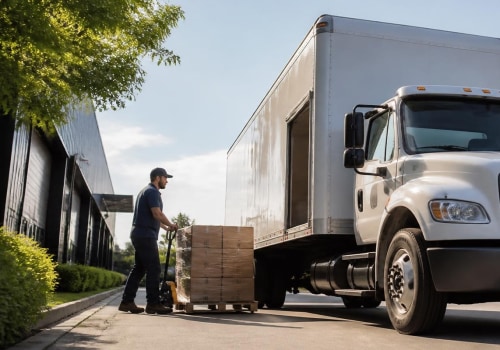
In the intricate world of logistics and freight transport, trucking services play a pivotal role in ensuring that goods move efficiently from one point to another. These services are not just about transporting items; they encompass a comprehensive system that includes planning, execution, and management of the movement of goods. With the rise of e-commerce and global trade, the demand for reliable trucking services has surged, making them an essential component of supply chain operations. Trucking services are responsible for a wide array of tasks, from picking up shipments at warehouses to delivering them directly to retail locations or consumers' doorsteps. This multifaceted approach requires a deep understanding of logistics, including route optimization, load management, and compliance with regulations.
As businesses strive to meet customer expectations for timely deliveries, the efficiency of trucking services becomes increasingly critical. However, the journey of goods is not always smooth. Returns and damaged goods are common challenges faced by trucking companies. Understanding how these services handle such issues is vital for businesses that rely on them. By exploring the mechanisms in place for managing returns and addressing damages, we can gain insight into the resilience and adaptability of trucking services in today’s fast-paced market.
The Importance of Returns Management in Trucking
In the realm of trucking services, effective returns management is not just a logistical necessity; it is a critical component that directly influences customer satisfaction and operational efficiency.When goods are returned, whether due to damage, incorrect shipments, or customer dissatisfaction, the way these returns are handled can significantly impact a company's reputation and bottom line.One of the primary reasons returns management is essential in trucking is its effect on customer loyalty. Customers expect a seamless return process, and when trucking services can facilitate quick and hassle-free returns, it fosters trust and encourages repeat business. A positive returns experience can turn a potentially negative situation into an opportunity for customer engagement.Moreover, an efficient trucking returns process minimizes operational disruptions. By implementing clear protocols for handling returns, trucking companies can streamline their operations.
This includes:
- Clear Communication: Keeping customers informed about the return process helps manage expectations and reduces frustration.
- Tracking Returns: Utilizing technology to track returned items ensures that they are processed quickly and accurately.
- Inventory Management: Efficiently managing returned goods helps maintain accurate inventory levels and reduces losses.
Common Causes of Damaged Goods in Trucking
Understanding the common causes of damaged goods in trucking is essential for both service providers and customers.Various factors contribute to freight damage during transportation, and recognizing these can help in implementing effective trucking damage prevention strategies.
- Poor Packaging: One of the leading causes of damage is inadequate packaging. If goods are not properly secured or cushioned, they are more susceptible to impact and shifting during transit.
- Improper Loading Techniques: The way cargo is loaded onto a truck can significantly affect its safety. Overloading or uneven weight distribution can lead to instability, increasing the risk of damage.
- Environmental Factors: Weather conditions such as rain, snow, or extreme temperatures can also impact the integrity of goods. For instance, moisture can cause mold or rust, while excessive heat may damage sensitive items.
- Road Conditions: Poor road conditions, including potholes and rough terrain, can lead to jostling and shifting of cargo.
This movement can result in collisions between items or with the truck itself.
- Human Error: Mistakes made by drivers or warehouse staff during loading, unloading, or handling can lead to significant damage. Training and adherence to protocols are crucial in minimizing these errors.
How Trucking Services Handle Returns
When it comes to managing returns, trucking services implement a systematic approach to ensure efficiency and customer satisfaction.The process typically begins with clear communication between the trucking company and the customer.
Step 1: Customer Notification
- The customer initiates the return process by notifying the trucking service about the need for a return, often through a dedicated customer service line or online portal.
- During this communication, details such as the reason for the return, the condition of the goods, and any relevant order information are collected.
Step 2: Return Authorization
- Once notified, the trucking service assesses the situation and issues a return authorization if applicable. This step is crucial as it helps track returns and ensures that only authorized items are sent back.
- The authorization may include specific instructions on how to package and label the items for return.
Step 3: Logistics Coordination
- The trucking service coordinates logistics for picking up the returned items. This may involve scheduling a pickup time that is convenient for the customer.
- Efficient routing is planned to minimize delays and reduce transportation costs associated with returns.
Step 4: Inspection and Processing
- Upon receiving the returned goods, the trucking service conducts an inspection to assess their condition. This step is vital for determining whether items can be restocked or if they require further action.
- The findings from this inspection are communicated back to the customer, along with any next steps regarding refunds or exchanges.
Step 5: Final Resolution
- The final step involves processing refunds or exchanges based on the inspection results.
The trucking service ensures that customers are kept informed throughout this process to maintain transparency and trust.
- This comprehensive approach not only streamlines return logistics but also enhances customer satisfaction by providing a clear framework for handling returns effectively.
Steps to Address Damaged Goods in Trucking
When trucking services encounter damaged goods, they follow a systematic approach to ensure that the issue is resolved efficiently and effectively. Here are the key steps involved in addressing damaged goods:- Initial Assessment: Upon discovering damaged goods, the first step is to conduct a thorough assessment. This includes documenting the extent of the damage through photographs and detailed notes. The trucking service must determine whether the damage occurred during transit or if it was pre-existing.
- Notification: The trucking company must promptly notify the shipper and receiver about the damage.
Clear communication is essential to maintain trust and transparency. This notification typically includes details about the nature of the damage and any immediate actions taken.
- Claims Process: Most trucking services have a formal claims process in place for handling damaged goods. Shippers are usually required to submit a claim form along with supporting documentation, such as photographs and receipts. The trucking service will review these claims to determine liability.
- Investigation: After receiving a claim, the trucking service conducts an investigation to ascertain the cause of the damage.
This may involve interviewing drivers, reviewing shipping documents, and analyzing handling procedures. The goal is to identify whether negligence occurred and who is responsible for the damages.
- Resolution: Once the investigation is complete, the trucking service will communicate its findings to both parties involved. If the claim is approved, compensation may be offered based on the terms outlined in the shipping contract. This could include reimbursement for repair costs or replacement of goods.
- Preventive Measures: Finally, after resolving a claim, trucking services often take steps to prevent future occurrences of similar issues.
This may involve revising handling procedures, providing additional training for staff, or improving packaging standards.
Best Practices for Trucking Services in Managing Returns and Damaged Goods
Managing returns and damaged goods is a critical aspect of trucking services that can significantly impact customer satisfaction and operational efficiency. Implementing best practices in this area not only minimizes losses but also enhances the overall service quality.Establish Clear Return Policies
One of the first steps in managing returns effectively is to establish clear and concise return policies. This includes:- Defining acceptable reasons for returns: Ensure customers understand what qualifies for a return.
- Setting time frames: Specify how long customers have to initiate a return.
- Providing instructions: Offer detailed guidelines on how to return items, including packaging and shipping methods.
Implement Damage Prevention Strategies
To reduce the incidence of damaged goods, trucking services should adopt proactive damage prevention strategies:- Invest in quality packaging: Use durable materials that can withstand transit conditions.
- Train staff: Ensure that all employees are trained in proper handling techniques to minimize damage during loading and unloading.
- Utilize technology: Implement tracking systems that monitor the condition of goods throughout the shipping process.
Efficient Logistics Management
A well-organized logistics management system is essential for handling returns and damaged goods efficiently. Consider the following:- Centralized return processing: Create a dedicated area for processing returns to streamline operations.
- Data analysis: Regularly analyze return data to identify trends and areas for improvement.
- Collaboration with suppliers: Work closely with suppliers to address recurring issues related to product quality or packaging.
FAQs About Returns and Damaged Goods in Trucking Services
When it comes to trucking services, understanding the processes surrounding returns and damaged goods is crucial for both businesses and consumers.Here are some frequently asked questions that can help clarify these important aspects:
What should I do if my shipment arrives damaged?
If your shipment arrives damaged, it’s essential to document the damage immediately. Take clear photographs of the damaged items and the packaging. Then, contact your trucking service provider as soon as possible to report the issue. Most companies have specific protocols for handling such situations, which may include filing a claim.Are there specific timeframes for reporting damaged goods?
Yes, most trucking services require that you report any damage within a certain timeframe, often within 24 to 48 hours of delivery.This prompt reporting helps facilitate the claims process and ensures that you receive any compensation or replacement in a timely manner.
Can I return items that were shipped via trucking services?
Returning items depends on the policies of the retailer or shipper rather than the trucking service. Generally, if you wish to return an item, you should follow the return policy outlined by the seller. They will coordinate with the trucking service for the return shipment.What happens to returned goods?
Returned goods are typically sent back to the original seller or manufacturer. Depending on their policies, these items may be restocked, repaired, or disposed of if they are deemed unsellable.How can I ensure my goods are protected during transit?
- Proper Packaging: Use sturdy packaging materials to protect your items.
- Insurance: Consider purchasing insurance for high-value shipments.
- Choose Reputable Carriers: Work with established trucking services known for their reliability.
Conclusion: The Future of Returns Management in Trucking Services
As we look towards the future of trucking services, it is clear that the management of returns and damaged goods will continue to evolve.The increasing demand for efficient logistics solutions necessitates a proactive approach to handling these challenges.One of the key trends shaping the future of returns management in trucking services is the integration of advanced technology.
Real-time tracking systems
and automated inventory management tools are becoming essential for trucking companies. These technologies not only streamline the returns process but also enhance transparency, allowing customers to monitor their returns from start to finish.Moreover, as e-commerce continues to grow, so does the volume of returns. Trucking services must adapt by developing more flexible return policies that cater to consumer expectations.This includes offering multiple return options, such as drop-off locations or scheduled pickups, which can significantly improve customer satisfaction.
- Enhanced Communication: Effective communication between trucking companies and their clients is vital. Providing timely updates about the status of returns can help mitigate frustration and build trust.
- Sustainability Practices: The future will also see a greater emphasis on sustainability in returns management. Trucking services are likely to adopt eco-friendly practices, such as optimizing routes to reduce carbon footprints during return trips.
- Data-Driven Decisions: Utilizing data analytics will enable trucking companies to identify patterns in returns, helping them to refine their processes and reduce instances of damage.
As these trends continue to unfold, the industry will be better equipped to handle returns and damaged goods effectively, ensuring a smoother experience for all stakeholders involved.