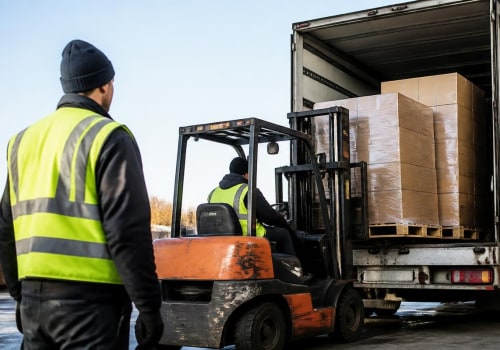
In the vast landscape of the U.S. economy, trucking services play a pivotal role in ensuring the smooth flow of goods and materials across the nation. As the backbone of the logistics industry, trucking not only facilitates trade but also supports countless businesses by delivering essential products to consumers and retailers alike. With over 70% of all freight transported in the United States relying on trucks, understanding the various types of trucking services available is crucial for businesses looking to optimize their supply chains.The trucking industry encompasses a diverse range of services tailored to meet different shipping needs.
From long-haul trucking that covers extensive distances to local delivery services that cater to urban areas, each type of trucking service is designed with specific operational requirements in mind. Additionally, specialized trucking services such as refrigerated transport for perishable goods or flatbed trucking for oversized loads further illustrate the versatility and adaptability of this sector.As we delve deeper into the world of trucking services, it becomes evident that these services are not merely about moving freight from point A to point B. They are integral to maintaining the efficiency and reliability of supply chains, impacting everything from production schedules to customer satisfaction. By exploring the various types of trucking services available, businesses can make informed decisions that enhance their logistics strategies and ultimately contribute to their success in a competitive marketplace.
Common Types of Trucking Services
When it comes to trucking services in the United States, there are several categories that cater to different shipping needs.Understanding these types can help businesses choose the right service for their logistics requirements.
1.Full Truckload (FTL)
Full Truckload services are ideal for shipments that require the entire truck's capacity. This option is often more cost-effective for large shipments, as it minimizes handling and transit times.2.Less Than Truckload (LTL)
Less Than Truckload services are designed for smaller shipments that do not require a full truck. This service allows multiple shippers to share space on a single truck, making it a budget-friendly option for businesses with smaller loads.3.Refrigerated Trucking
Refrigerated trucking, or reefer services, are essential for transporting perishable goods such as food and pharmaceuticals. These trucks are equipped with temperature-controlled environments to ensure products remain fresh during transit.4.Flatbed Trucking
Flatbed trucking is used for transporting oversized or heavy items that cannot fit into standard trailers.This service is commonly utilized in construction and manufacturing industries.
5.Intermodal Freight Transport
Intermodal freight transport combines multiple modes of transportation, such as trucks and trains, to move goods efficiently across long distances. This method can reduce costs and improve delivery times.6.Expedited Shipping
Expedited shipping services prioritize speed and efficiency, ensuring that time-sensitive shipments reach their destination as quickly as possible. This service is crucial for businesses that rely on just-in-time inventory.7.Specialized Trucking Services
Some trucking companies offer specialized services, such as hazardous materials transport or oversized load hauling, which require specific equipment and compliance with regulations. In summary, understanding the various types of trucking services available can significantly enhance logistics planning and execution for businesses across different sectors.Full Truckload (FTL) Services
Full Truckload (FTL) services are a popular choice for businesses that need to transport large quantities of goods efficiently. In this model, an entire truck is dedicated to a single shipment, allowing for direct transport from the point of origin to the destination without any intermediate stops.This service is particularly beneficial for companies with substantial freight loads that can fill an entire trailer.One of the primary benefits of FTL trucking is speed. Since the truck is not making multiple stops to pick up or drop off other shipments, delivery times are significantly reduced. This is crucial for businesses that operate on tight schedules or require just-in-time inventory management.Additionally, FTL services offer enhanced security for shipments. With fewer handling points and a dedicated vehicle, the risk of damage or loss is minimized.
This makes FTL an ideal option for transporting high-value or fragile items.Cost-effectiveness is another advantage of Full Truckload services. While FTL may seem more expensive than Less Than Truckload (LTL) options when shipping smaller loads, it can be more economical for larger shipments. Businesses can avoid additional fees associated with LTL services, such as handling charges and potential delays.FTL trucking is most suitable in several scenarios:
- When shipping large volumes of goods that can fill an entire truck.
- For time-sensitive deliveries where speed is essential.
- When transporting high-value or sensitive items that require extra care.
- If the destination is remote or requires direct delivery without multiple stops.
Less Than Truckload (LTL) Services
Less Than Truckload (LTL) services are a popular choice for businesses that need to transport smaller shipments without the expense of hiring an entire truck.This type of trucking service allows multiple shippers to share the space in a single truck, making it a cost-effective solution for those who do not have enough freight to fill a full trailer.
How LTL Services Work
LTL trucking operates by consolidating shipments from various customers into one truckload. Each shipment is typically between 150 and 15,000 pounds, and the freight is loaded onto the truck at a terminal. Once the truck reaches its destination, the shipments are then unloaded and delivered to their respective recipients. This process not only maximizes efficiency but also minimizes costs for businesses.
Advantages of LTL Services
- Cost-Effective: Since you only pay for the portion of the truck your shipment occupies, LTL services can significantly reduce transportation costs compared to full truckload shipping.
- Flexibility: LTL services offer greater flexibility in shipping schedules and routes, allowing businesses to adapt quickly to changing demands.
- Reduced Risk of Damage: With LTL shipping, freight is handled less frequently than in other shipping methods, which can lead to a lower risk of damage during transit.
- Access to Advanced Tracking: Many LTL carriers provide tracking technology that allows shippers to monitor their shipments in real-time, enhancing transparency and reliability.
By leveraging these services, companies can ensure timely deliveries without the burden of excess freight expenses.
Refrigerated Trucking Services
Refrigerated trucking services play a crucial role in the transportation of perishable goods, ensuring that products such as food, pharmaceuticals, and other temperature-sensitive items are delivered safely and efficiently. These services utilize temperature-controlled transport systems that maintain specific temperature ranges throughout the journey, which is essential for preserving the quality and safety of the cargo.One of the primary advantages of refrigerated trucking is its ability to support cold chain logistics. This logistics process involves a series of temperature-controlled supply chain activities that include storage, transportation, and distribution. By maintaining a consistent temperature from the point of origin to the final destination, businesses can minimize spoilage and waste, ultimately leading to cost savings and enhanced customer satisfaction.- Food Products: Fresh produce, dairy products, meats, and frozen foods require precise temperature management to prevent spoilage.
- Pharmaceuticals: Many medications must be kept within specific temperature ranges to remain effective.
- Chemicals: Certain chemicals also require refrigeration to maintain their stability during transport.
Modern refrigerated trucks are equipped with sophisticated monitoring systems that allow for real-time tracking of temperature conditions. This capability not only ensures compliance with health regulations but also provides peace of mind for shippers and receivers alike.In conclusion, refrigerated trucking services are indispensable for industries that rely on the safe transport of perishable goods. By leveraging advanced technology and adhering to strict cold chain logistics protocols, these services help maintain product integrity and ensure that consumers receive high-quality goods.
Flatbed Trucking Services
Flatbed trucking services are a vital component of the logistics and transportation industry in the United States. Unlike traditional enclosed trailers, flatbed trucks feature an open trailer design, allowing for versatile loading and unloading options.This makes them particularly suitable for transporting oversized or irregularly shaped cargo.One of the primary advantages of flatbed transport is the ease of access it provides. Since there are no sides or a roof, loading and unloading can be accomplished from any angle, which is especially beneficial for heavy or bulky items. Common types of cargo transported via flatbed include:
- Construction materials: Items such as steel beams, lumber, and concrete blocks.
- Heavy machinery: Equipment like excavators, bulldozers, and forklifts.
- Industrial goods: Large tanks, pipes, and other manufacturing components.
- Vehicles: Cars, trucks, and other motor vehicles that require special handling.
Flatbed trucks can accommodate these oversized loads with the appropriate permits and routing plans. This flexibility is crucial for industries that rely on timely delivery of large equipment or materials.Operational specifics of flatbed trucking include:
- Securing cargo: Properly strapping down loads is essential to ensure safety during transit.
- Weather considerations: Since cargo is exposed to the elements, protective measures may be necessary.
- Regulatory compliance: Adhering to state and federal regulations regarding oversized loads is critical.
Specialized Trucking Services
When it comes to specialized trucking services, the transportation industry offers a variety of options tailored to meet unique logistical challenges. These services are essential for moving items that do not conform to standard shipping dimensions or require special handling.Heavy Equipment Transport
One of the most critical types of specialized trucking is heavy equipment transport.This service is designed for transporting large machinery and equipment, such as construction vehicles, agricultural machinery, and industrial equipment. Due to their size and weight, these loads often require:
- Flatbed trucks or lowboy trailers that can accommodate oversized dimensions.
- Permits and escorts to ensure safe passage through various jurisdictions.
- Expert drivers trained in handling heavy loads.
Oversized Load Trucking
Oversized load trucking is another vital service within the realm of specialized trucking. This involves transporting goods that exceed standard legal dimensions, which can include:- Wind turbine blades
- Large industrial tanks
- Prefabricated structures
Additionally, specialized equipment such as extendable trailers may be used to accommodate varying lengths.The demand for these specialized services continues to grow as industries expand and require more complex logistics solutions. By utilizing experienced trucking companies that specialize in heavy equipment and oversized loads, businesses can ensure their valuable assets are transported safely and efficiently.
Intermodal Trucking Services
Intermodal trucking services represent a modern approach to freight transportation that combines multiple modes of transport, such as trucks, trains, and ships, to move goods efficiently across long distances. This method leverages the strengths of each mode, optimizing the supply chain and reducing overall shipping costs.One of the primary advantages of intermodal transport is its ability to enhance flexibility. By utilizing various transportation methods, shippers can select the most efficient routes and modes based on current conditions, such as fuel prices or traffic patterns.This adaptability not only improves delivery times but also minimizes delays caused by unforeseen circumstances.
- Cost-Effectiveness: Intermodal shipping often results in lower transportation costs due to reduced fuel consumption and the ability to take advantage of rail rates for long-haul segments.
- Environmental Benefits: By using trains for long distances, intermodal transport significantly reduces carbon emissions compared to trucking alone, making it a more sustainable option.
- Enhanced Security: Goods transported via intermodal services are typically loaded into containers that are sealed and tracked throughout their journey, reducing the risk of theft or damage.
- Improved Reliability: With multiple transport options available, intermodal services can provide more reliable delivery schedules, as disruptions in one mode can often be mitigated by switching to another.
Expedited Trucking Services
When it comes to urgent freight transport, expedited trucking services stand out as a vital solution for businesses that require swift delivery of goods. These services are specifically designed to handle time-sensitive shipments, ensuring that products reach their destinations as quickly as possible.Expedited trucking
is ideal for various industries, including manufacturing, healthcare, and e-commerce, where delays can lead to significant financial losses or operational disruptions.By utilizing expedited services, companies can maintain their supply chain efficiency and meet customer demands without compromise.
- Dedicated Vehicles: Expedited trucking often involves the use of dedicated vehicles that are solely assigned to a specific shipment. This minimizes delays associated with loading and unloading multiple shipments.
- Real-Time Tracking: Many expedited trucking companies offer real-time tracking capabilities, allowing businesses to monitor their shipments at every stage of the journey. This transparency helps in planning and managing logistics effectively.
- Flexible Scheduling: Expedited services provide flexible scheduling options, accommodating last-minute requests and ensuring that urgent deliveries are prioritized.
Providers of expedited services are equipped to meet these specific needs, ensuring that all regulations and safety standards are adhered to.Ultimately, choosing the right time-sensitive shipping solutions can significantly impact a business's operational success. By leveraging expedited trucking services, companies can enhance their logistics strategy, improve customer satisfaction, and maintain a competitive edge in their respective markets.
[FAQs about Trucking Services]
When considering trucking services, many individuals and businesses have questions about the various aspects of these services. Below are some frequently asked questions that can help clarify common concerns.- What types of trucking services are available? There are several types of trucking services, including:
- Full Truckload (FTL): Ideal for large shipments that fill an entire truck.
- Less Than Truckload (LTL): Suitable for smaller shipments that do not require a full truck.
- Refrigerated Trucking: Used for transporting perishable goods that need temperature control.
- Flatbed Trucking: Best for oversized or heavy loads that cannot be transported in a standard truck.
- How do I choose the right trucking service? Consider factors such as:
- The type of goods you need to transport.
- Your budget and timeline for delivery.
- The distance and route of transportation.
- What are the costs associated with trucking services? Costs can vary based on:
- The type of service selected (FTL vs. LTL).
- The distance traveled.
- The weight and dimensions of the cargo.
- Are there any regulations I should be aware of? Yes, trucking services must comply with federal and state regulations, including:
- Weight limits on highways.
- Driver hours of service regulations.
[Conclusion]
In conclusion, understanding the various trucking services available in the United States is crucial for businesses and individuals alike.Each type of service caters to specific needs, ensuring that goods are transported efficiently and safely.To summarize, here are the primary types of trucking services discussed:
- Full Truckload (FTL): Ideal for large shipments that fill an entire truck, providing direct transport from origin to destination.
- Less Than Truckload (LTL): Suitable for smaller shipments, allowing multiple customers to share space in a single truck, which can be more cost-effective.
- Refrigerated Trucking: Essential for transporting perishable goods that require temperature control, such as food and pharmaceuticals.
- Flatbed Trucking: Used for oversized or heavy loads that cannot be easily contained within a standard truck, often utilized in construction and manufacturing sectors.
- Intermodal Transportation: Combines multiple modes of transport (like rail and truck) to optimize shipping efficiency and reduce costs.
- Expedited Shipping: Focuses on speed, ensuring that time-sensitive shipments reach their destination as quickly as possible.