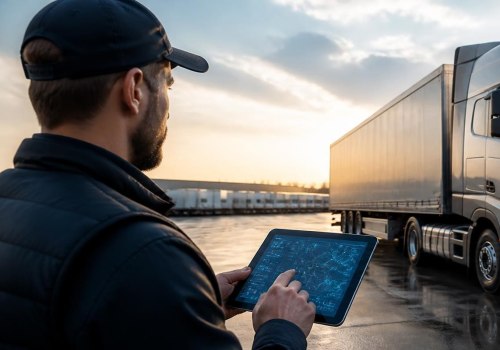
In the world of transportation and supply chain management, trucking services and logistics services play pivotal roles, yet they serve distinct functions that are often misunderstood. At its core, freight trucking refers specifically to the transportation of goods via trucks, focusing on the physical movement of cargo from one location to another. This service is essential for businesses that rely on timely deliveries to maintain their operations and meet customer demands. On the other hand, logistics services encompass a broader spectrum of activities that include not only transportation but also warehousing, inventory management, order fulfillment, and supply chain optimization. Logistics is about orchestrating the entire process of getting products from manufacturers to consumers efficiently and effectively.
Understanding the difference between these two concepts is crucial for businesses looking to streamline their operations and enhance their supply chain strategies. As we delve deeper into this topic, we will explore how trucking services fit into the larger framework of logistics and why recognizing their differences can lead to better decision-making for companies seeking to improve their delivery systems. Whether you are a small business owner or part of a large corporation, grasping these distinctions will empower you to choose the right services that align with your operational goals.
What Are Trucking Services?
Trucking services play a crucial role in the transportation and logistics industry, serving as the backbone for moving goods across various distances. These services encompass a wide range of operations that facilitate the efficient delivery of products from manufacturers to consumers or retailers.There are several types of trucking services, each tailored to meet specific shipping needs:- Long-Haul Trucking: This involves transporting goods over long distances, typically exceeding 250 miles. Long-haul trucking is essential for connecting different regions and states, making it vital for national supply chains.
- Short-Haul Trucking: In contrast, short-haul trucking covers shorter distances, usually within a 150-mile radius.
This type is often used for local deliveries and is crucial for businesses that require quick turnaround times.
- Refrigerated Trucking: Also known as reefer trucking, this service is designed for transporting perishable goods that require temperature control, such as food and pharmaceuticals.
- Flatbed Trucking: This service involves transporting oversized or heavy loads that cannot fit into standard trailers. Flatbed trucks are commonly used for construction materials and machinery.
- Intermodal Trucking: This combines multiple modes of transportation, such as rail and truck, to move goods more efficiently. It allows for flexibility and can reduce shipping costs.
With advancements in technology, the industry is evolving rapidly, incorporating GPS tracking, automated systems, and eco-friendly practices to enhance efficiency and sustainability.Understanding the various types of trucking services and their importance in the logistics chain is essential for businesses looking to optimize their supply chain operations. By leveraging the right trucking services, companies can improve delivery times, reduce costs, and enhance customer satisfaction.
What Are Logistics Services?
Logistics services encompass a wide range of activities that facilitate the efficient movement and storage of goods from the point of origin to the final consumer. These services are crucial in ensuring that products are delivered on time and in good condition, which is essential for maintaining customer satisfaction and operational efficiency.At the core of logistics services are several key components:- Warehousing: This involves the storage of goods in a facility until they are needed. Effective warehousing solutions help manage inventory levels and reduce costs associated with excess stock.
- Inventory Management: This process ensures that the right amount of product is available at the right time.
It involves tracking stock levels, orders, sales, and deliveries to optimize supply chain operations.
- Transportation: While freight trucking is a significant part of logistics, transportation services can also include air, rail, and maritime options. Each mode has its advantages depending on factors like cost, speed, and distance.
- Order Fulfillment: This includes picking, packing, and shipping products to customers. Efficient order fulfillment processes are vital for meeting customer expectations.
- Supply Chain Management: This broader concept encompasses all logistics activities and focuses on optimizing the entire supply chain from suppliers to end-users.
As e-commerce continues to grow, logistics services are becoming increasingly important for businesses looking to compete effectively in the market.In summary, understanding logistics services is essential for businesses aiming to streamline their operations and enhance customer satisfaction. By integrating various components such as warehousing, inventory management, and transportation, companies can create a robust logistics strategy that supports their overall business goals.
Key Differences Between Freight Trucking and Logistics Services
Understanding the differences between freight trucking and logistics services is crucial for businesses looking to optimize their supply chain operations. While both play significant roles in the transportation and distribution of goods, they serve distinct functions.Scope of Services
- Freight Trucking: This primarily focuses on the physical transportation of goods from one location to another. Trucking services are responsible for moving freight over various distances, whether locally, regionally, or nationally.
- Logistics Services: In contrast, logistics encompasses a broader range of activities beyond just transportation.
It includes planning, implementing, and controlling the efficient flow of goods, services, and related information from the point of origin to the point of consumption.
Functions
- Freight Trucking: The primary function is to ensure timely delivery of goods. Trucking companies manage routes, schedules, and vehicle maintenance to facilitate this.
- Logistics Services: Logistics involves coordinating multiple elements such as inventory management, warehousing, order fulfillment, and even customer service. It aims to optimize the entire supply chain process.
Objectives
- Freight Trucking: The main objective is to transport goods safely and efficiently while minimizing costs associated with fuel and vehicle operation.
- Logistics Services: The goal here is to enhance overall supply chain efficiency by integrating various processes and ensuring that products are delivered in the right quantity, at the right time, and in the right condition.
The Role of Technology in Trucking and Logistics
In the ever-evolving landscape of trucking services and logistics, technology plays a pivotal role in enhancing efficiency and reliability.The integration of advanced technologies has transformed traditional practices, making operations smoother and more transparent.
GPS Tracking and Real-Time Monitoring
One of the most significant advancements in trucking is the implementation of GPS tracking. This technology allows fleet managers to monitor vehicle locations in real-time, providing valuable insights into delivery times and routes. With GPS, companies can:- Optimize routes to reduce fuel consumption and improve delivery speed.
- Enhance customer service by providing accurate delivery estimates.
- Increase safety by monitoring driver behavior and vehicle conditions.
Transportation Management Systems (TMS)
Transportation Management Systems (TMS) are another technological innovation that has revolutionized logistics services. These systems streamline the planning, execution, and optimization of the physical movement of goods.Key benefits include:
- Improved visibility across the supply chain, allowing for better decision-making.
- Cost reduction through efficient load planning and carrier selection.
- Enhanced collaboration among stakeholders, leading to a more integrated approach to logistics.
The Impact on Freight Services
The impact of technology on freight services cannot be overstated. Automation and data analytics are enabling companies to predict demand more accurately, manage inventory levels efficiently, and respond swiftly to market changes. As a result:- Freight costs are becoming more predictable, allowing businesses to budget effectively.
- Sustainability efforts are being enhanced through optimized routes that reduce emissions.
- Customer satisfaction is improved with timely deliveries and real-time updates.
Common Misconceptions About Trucking and Logistics Services
When discussing trucking services and logistics, several misconceptions often arise that can lead to confusion.Understanding these myths is crucial for businesses and individuals looking to optimize their supply chain.
- Myth 1: Trucking and logistics are the same. Many people believe that trucking services encompass all aspects of logistics. In reality, trucking is just one component of the broader logistics framework, which includes planning, execution, and management of the flow of goods.
- Myth 2: All trucking companies offer logistics services. Not all trucking companies provide comprehensive logistics solutions. Some specialize solely in transportation, while others may offer additional services like warehousing and inventory management.
- Myth 3: Logistics is only about transportation. While transportation is a significant part of logistics, it also involves other critical elements such as supply chain management, order fulfillment, and customer service. Effective logistics requires a holistic approach that goes beyond just moving goods from point A to point B.
- Myth 4: Trucking is always the most cost-effective option. Although trucking can be economical for certain routes and loads, it’s not always the cheapest solution.
Factors such as distance, fuel prices, and load size can influence overall costs. Sometimes, alternative modes of transport may be more cost-effective depending on the situation.
- Myth 5: Logistics services are only necessary for large businesses. This misconception can lead small businesses to overlook the benefits of professional logistics services. In fact, effective logistics can help businesses of all sizes streamline operations and improve customer satisfaction.
Choosing Between Trucking Services and Logistics Solutions
When it comes to selecting between trucking services and logistics solutions, businesses must consider several key factors that align with their operational needs and goals. Understanding these differences can significantly impact efficiency and cost-effectiveness.Assess Your Shipping Needs
The first step in making an informed decision is to assess your shipping needs.Consider the following:
- Volume of Goods: How much freight do you need to transport regularly? High volumes may benefit from dedicated trucking services.
- Type of Cargo: Are you shipping perishable items, hazardous materials, or oversized loads? Certain trucking services specialize in specific types of cargo.
- Delivery Timelines: Do you require expedited shipping? Logistics solutions often provide more flexibility in meeting tight deadlines.
Evaluate Cost Considerations
Cost is a crucial factor when choosing between trucking and logistics services. Here are some aspects to evaluate:- Pricing Structure: Understand how each service charges—per mile, weight, or flat rate—and choose what fits your budget.
- Hidden Fees: Be aware of potential additional costs such as fuel surcharges, tolls, or handling fees that may apply to trucking services.
Consider Service Flexibility
The flexibility of the service provider can greatly influence your choice:- Scalability: Can the service adapt to your changing needs? Logistics solutions often offer more scalability for fluctuating demand.
- Technology Integration: Does the provider use technology for tracking and managing shipments? Advanced logistics solutions typically offer better visibility and control over the supply chain.
Conclusion: Summarizing Key Insights on Trucking and Logistics Services
In conclusion, understanding the distinctions between freight trucking and logistics services is crucial for businesses looking to optimize their supply chain operations. While both play integral roles in the transportation and delivery of goods, they serve different purposes and involve unique processes.Freight trucking
primarily focuses on the physical movement of goods from one location to another.
This service is essential for transporting products over short or long distances, utilizing various types of vehicles such as trucks, trailers, and vans. Key aspects of freight trucking include:
- Direct transportation: Freight trucking provides a straightforward solution for moving goods directly to their destination.
- Load capacity: Different trucking options cater to varying load sizes, from small deliveries to large freight shipments.
- Speed: Trucking services often offer faster delivery times compared to other modes of transport.
- Supply chain management: Logistics services coordinate all aspects of the supply chain, ensuring that products are delivered efficiently.
- Inventory management: Effective logistics includes managing stock levels to meet demand without overstocking.
- Warehousing: Logistics often involves storing goods in warehouses before they are distributed.
Businesses must evaluate their specific needs to determine whether they require dedicated freight trucking solutions or comprehensive logistics services that encompass a wider array of functions. By recognizing these differences, companies can make informed decisions that enhance their operational efficiency and customer satisfaction.