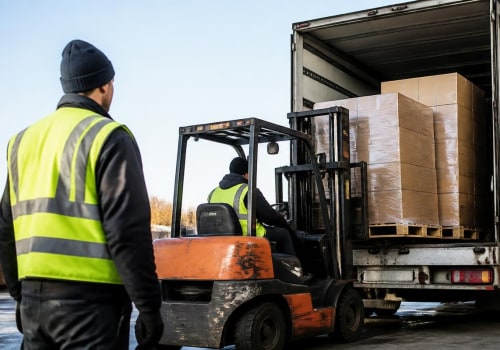
In the dynamic world of trucking services, businesses face a myriad of challenges, from managing logistics to ensuring timely deliveries. However, one critical aspect that often gets overlooked is the necessity of comprehensive trucking insurance. As these companies navigate the complexities of transporting goods across vast distances, having the right insurance coverage becomes essential not only for compliance but also for safeguarding their assets and operations. The trucking industry is inherently fraught with risks, including accidents, cargo theft, and unforeseen liabilities. This makes understanding the specific insurance needs for trucking paramount.
Without adequate coverage, a single incident could lead to devastating financial repercussions that might jeopardize the entire business. Therefore, it is crucial for trucking service providers to recognize the various types of insurance available and how they can protect their interests. As we delve deeper into this topic, we will explore the different insurance options tailored for trucking services, highlighting their significance and how they can be strategically utilized to mitigate risks. By equipping yourself with knowledge about these insurance solutions, you can ensure that your trucking business remains resilient in the face of challenges while maintaining peace of mind.
Types of Insurance Available for Trucking Services
When it comes to trucking services, understanding the various types of insurance available is crucial for protecting your business and ensuring compliance with regulations. Here’s a comprehensive overview of the most common trucking insurance options.- Liability Insurance: This is the most basic form of insurance required for all trucking operations.
It covers damages to third parties in the event of an accident where the truck driver is at fault. There are two main types:
- Bodily Injury Liability: Covers medical expenses and lost wages for injured parties.
- Property Damage Liability: Covers damages to another person's property.
- Cargo Insurance: This type of insurance protects the cargo being transported. It covers losses due to theft, damage, or loss during transit, ensuring that both the trucking company and its clients are safeguarded against financial loss.
- Physical Damage Insurance: This insurance covers damage to the truck itself, whether from accidents, theft, or natural disasters. It typically includes:
- Collision Coverage: Covers damages resulting from a collision with another vehicle or object.
- Comprehensive Coverage: Covers non-collision-related incidents such as vandalism or weather-related damage.
- Bobtail Insurance: This is a specialized form of liability insurance that covers a truck when it is being driven without a trailer.
It’s essential for owner-operators who may not always be hauling cargo.
- Non-Trucking Liability Insurance: Similar to bobtail insurance, this covers liability when the truck is used for personal purposes rather than commercial hauling.
Liability Insurance: Protecting Your Business from Claims
When it comes to trucking services, having the right liability insurance is crucial for safeguarding your business against potential claims. This type of insurance is designed to cover damages and legal fees that may arise from accidents involving your trucks, ensuring that your company remains financially stable even in the face of unforeseen incidents.Trucking liability coverage
typically falls into two main categories: primary liability and general liability. Primary liability insurance is mandatory for all trucking businesses and covers damages to third parties in the event of an accident.This includes bodily injury and property damage caused by your truck while on the road.On the other hand, general liability insurance provides broader protection, covering claims related to non-vehicle incidents, such as slip-and-fall accidents at your business premises or damage caused by your employees during their work duties.
- Commercial Auto Liability: This is a specific type of liability insurance tailored for vehicles used in business operations. It protects against claims resulting from accidents involving commercial vehicles, ensuring that your trucking services are covered.
- Excess Liability Insurance: Also known as umbrella insurance, this provides additional coverage beyond the limits of your primary liability policy. It’s particularly beneficial for trucking companies that operate in high-risk environments.
- Non-Trucking Liability Insurance: This coverage is essential for owner-operators who may use their trucks for personal purposes when not under dispatch. It protects against claims that occur during these non-business activities.
In an industry where risks are prevalent, having robust coverage can be a deciding factor in maintaining a successful trucking operation.
Cargo Insurance: Safeguarding Your Freight
When it comes to trucking services, ensuring the safety of the cargo being transported is paramount. This is where cargo insurance plays a crucial role. Cargo insurance protects against loss or damage to goods while they are in transit, providing peace of mind for both trucking companies and their clients.What Does Cargo Insurance Cover?
- Theft: Cargo insurance covers losses due to theft, which can occur during loading, unloading, or while the vehicle is parked.
- Damage: Whether caused by accidents, weather conditions, or mishandling, cargo insurance compensates for damages incurred during transit.
- Loss: In cases where cargo is lost entirely, such as in a shipping accident, this insurance ensures that the financial impact is mitigated.
Why Is Cargo Insurance Essential?
For businesses relying on trucking services, having cargo insurance is not just a safety net; it’s a necessity. Here are a few reasons why:
- Financial Protection: The cost of replacing lost or damaged goods can be substantial.
Cargo insurance helps cover these costs, protecting your bottom line.
- Client Trust: Offering cargo insurance can enhance your reputation and build trust with clients who want assurance that their goods are protected.
- Compliance: Some contracts may require proof of cargo insurance, making it essential for compliance with industry standards.
Freight Insurance Options
There are various types of freight insurance options available for trucking services. These include:
- All-Risk Coverage: This comprehensive option covers most risks unless specifically excluded.
- Sued Coverage: This type protects against specific risks such as theft or damage due to accidents.
- Cargo Liability Insurance: Often included in general liability policies, this covers damages caused by the trucking company itself.
Physical Damage Insurance: Protecting Your Vehicles
When it comes to trucking services, ensuring the safety and longevity of your vehicles is paramount. This is where physical damage insurance plays a crucial role.This type of insurance is designed to cover the costs associated with damage to your trucks, whether from accidents, theft, or natural disasters.
Physical damage insurance
typically encompasses two main components: collision coverage and comprehensive coverage .Collision Coverage
Collision coverage protects your vehicle in the event of an accident, regardless of who is at fault. This means that if your truck collides with another vehicle or object, this coverage will help pay for repairs or replacement costs. For trucking services, where vehicles are often on the road for extended periods, having collision coverage is essential to mitigate financial losses from unforeseen incidents.Comprehensive Coverage
Comprehensive coverage, on the other hand, covers damages that are not the result of a collision. This includes incidents such as theft, vandalism, fire, or natural disasters like floods and storms.For trucking companies operating in various environments, comprehensive coverage provides peace of mind against a wide range of potential risks.Investing in physical damage insurance is not just about compliance; it’s about safeguarding your assets. Without this coverage, trucking services could face significant out-of-pocket expenses that could jeopardize their operations. By securing both collision and comprehensive coverage, trucking companies can ensure that their vehicles remain protected against a multitude of threats.In conclusion, understanding and implementing physical damage insurance is vital for any trucking service looking to protect its fleet effectively. By choosing the right combination of collision and comprehensive coverage, businesses can navigate the roads with confidence, knowing they are prepared for whatever challenges may arise.
Workers' Compensation Insurance: Ensuring Employee Safety
In the trucking industry, workers' compensation insurance is a critical component that safeguards both employees and employers.This type of insurance provides financial support to truck drivers who may suffer from work-related injuries or illnesses, ensuring they receive the necessary medical care and compensation for lost wages.
Employee safety in trucking
is paramount, given the inherent risks associated with long hours on the road, heavy machinery, and adverse weather conditions. By investing in workers' compensation insurance, trucking companies not only comply with legal requirements but also demonstrate their commitment to the well-being of their workforce.- Coverage for Injuries: Workers' compensation covers a range of injuries, from minor accidents to severe incidents that may lead to long-term disability.
- Medical Expenses: It pays for medical bills related to treatment, rehabilitation, and necessary follow-up care.
- Lost Wages: If a driver is unable to work due to an injury, this insurance compensates for lost income during recovery.
By prioritizing employee safety through comprehensive coverage, trucking companies can create a more secure and productive workplace.
Additional Coverage Options for Trucking Services
When it comes to trucking services, having the right insurance coverage is crucial for protecting your business against various risks. Beyond the standard policies, there are several additional trucking insurance options that can provide enhanced protection tailored to specific needs.Non-Trucking Liability Insurance
This type of coverage is essential for truck drivers who use their vehicles for personal purposes when not under dispatch. Non-trucking liability insurance protects against accidents that occur during these personal trips, ensuring that drivers are covered even when they are not actively transporting goods.Trailer Interchange Coverage
For trucking services that frequently swap trailers with other carriers, trailer interchange coverage is vital. This policy covers physical damage to trailers that are not owned by the trucking company but are in their possession for transport.It helps mitigate financial losses in case of theft, damage, or accidents involving these trailers.
Bobtail Insurance
Bobtail insurance is another important option for trucking services. It provides coverage for trucks that are not carrying a trailer and are not under dispatch. This policy is particularly useful for owner-operators who may find themselves driving their trucks without a load.Specialized Coverage Options
Depending on the nature of the cargo being transported, specialized coverage options may be necessary. For example, cargo insurance protects against loss or damage to the goods being transported, while hazardous materials insurance is essential for those transporting dangerous goods.In addition to these options, endorsements can be added to existing policies to customize coverage further.These endorsements can address specific risks associated with different types of trucking operations, ensuring comprehensive protection tailored to the unique challenges faced by trucking services.By exploring these additional coverage options, trucking companies can better safeguard their operations and assets against unforeseen events, ultimately leading to a more resilient business model.
Factors Influencing Insurance Costs for Trucking Services
Understanding the factors influencing insurance costs for trucking services is crucial for fleet operators looking to manage their expenses effectively. Several elements can significantly impact trucking insurance costs, and being aware of these can help businesses make informed decisions.- Type of Cargo: The nature of the cargo being transported plays a vital role in determining insurance premiums. High-value or hazardous materials typically incur higher rates due to the increased risk involved.
- Driving History: The driving records of your operators are scrutinized by insurers. A history of accidents or violations can lead to elevated premiums, while a clean record may qualify for discounts.
- Vehicle Type and Age: Newer trucks equipped with advanced safety features often attract lower insurance rates.
Conversely, older vehicles may be seen as higher risk, leading to increased costs.
- Mileage and Routes: The distance traveled and the routes taken can influence rates. Long-haul trucking may present more risks than local deliveries, affecting overall premiums.
- Coverage Levels: The extent of coverage chosen directly impacts costs. Comprehensive policies that cover a wide range of incidents will naturally be more expensive than basic liability coverage.
- Regular Training: Invest in ongoing training programs for drivers to enhance safety and reduce accident rates.
- Maintain Vehicles: Regular maintenance checks can prevent breakdowns and accidents, which can positively influence insurance costs.
- Shop Around: Compare quotes from multiple insurers to find the best coverage options at competitive prices.
- Increase Deductibles: Opting for higher deductibles can lower premium costs, but ensure that your business can handle the out-of-pocket expenses in case of a claim.
Frequently Asked Questions About Trucking Insurance
When it comes to trucking insurance, many operators have questions about the types of coverage available and how they can protect their business. Here are some frequently asked questions that can help clarify your understanding of trucking policies.What types of insurance are essential for trucking services?
- Liability Insurance: This is mandatory for all trucking businesses and covers damages to third parties in case of an accident.
- Cargo Insurance: Protects the goods being transported against loss or damage.
- Physical Damage Insurance: Covers damage to your own truck due to accidents, theft, or vandalism.
- Bobtail Insurance: Provides coverage when the truck is being driven without a trailer.
How do I determine the right amount of coverage?
The right amount of coverage depends on various factors including the type of cargo, the routes you operate, and your business size.It's advisable to consult with an insurance agent who specializes in trucking services to assess your specific needs.
Are there any discounts available for trucking insurance?
Yes, many insurers offer discounts for safe driving records, bundling multiple policies, or being a member of certain trucking associations. Always inquire about potential savings when shopping for trucking insurance.What should I look for in an insurance provider?
- Experience: Choose a provider with a solid track record in the trucking industry.
- Customer Service: Ensure they offer responsive support and assistance when needed.
- Claims Process: Look for a provider with a straightforward and efficient claims process.
Conclusion: Choosing the Right Insurance for Your Trucking Business
In conclusion, selecting the right insurance for your trucking services is a critical decision that can significantly impact the success and sustainability of your business. Throughout this article, we have explored various insurance options available to trucking companies, emphasizing the importance of understanding each type's coverage and limitations.When evaluating your insurance needs, consider the following key points:- Assess Your Risks: Every trucking operation has unique risks based on factors such as cargo type, routes, and vehicle condition. Conducting a thorough risk assessment will help you identify which insurance policies are essential for your specific situation.
- Understand Coverage Types: Familiarize yourself with the different types of coverage available, including liability insurance, cargo insurance, and physical damage coverage.
Each serves a distinct purpose and protects against various potential losses.
- Compare Providers: Not all insurance providers offer the same policies or pricing. Take the time to compare quotes from multiple insurers to find the best coverage that fits your budget and needs.
- Stay Informed: The trucking industry is subject to changing regulations and market conditions. Staying informed about these changes can help you adjust your insurance coverage accordingly.